
Should a Person Travel Alone?
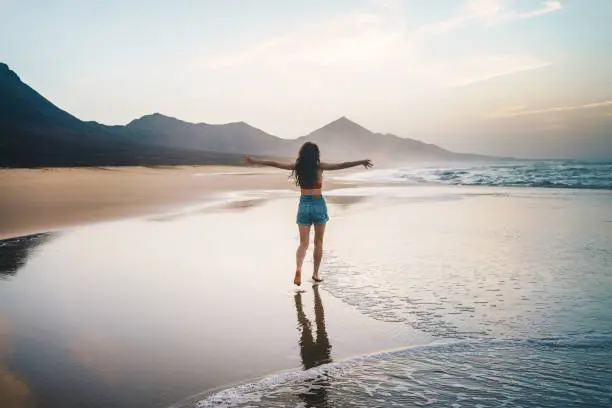
Going solo is something we all imagine. When planning our trip. There are people who like to travel alone, as they have the freedom to go wherever they want and in the way that seems most appropriate. On the other hand, some individuals find it painful to travel alone because unexpected situations can happen. Thus, before planning a solo trip, evaluate your comfort zone, your safety measures, your budget, and the destination. Solo travel allows an individual to step out of the monotonous routine and witness a place on their own terms. You aren't forced to adapt your plans to accommodate another person's feelings, availability, or desires. But with freedom comes responsibility. When you travel alone, there is no one to look after transportation, accommodation, food, money, and safety. So taking the time to prepare makes for an exciting solo travel experience.
- Enjoy Your Freedom
- Build Your Confidence
- Discover Yourself
- Travel at Your Own Pace
- Where someone is going to help, in the event of an emergency
- Think About Your Health
- Consider Your Safety
- Choose the Right Destination
- Manage Your Budget
- Stay Connected
- Deal With Loneliness
- Do Not Overplan Everything
- Learn From New Experiences
- Going with someone is the right way to go when:
- Final Thoughts
Enjoy Your Freedom
The greatest advantage of Solo travel is that you are the ruler of your own will. There's no need for your plans to match someone else's schedule. You can choose based on the amount of time at a sightseeing spot, shopping, or sitting in a nice place. This independence is what can potentially make a solo trip fun and give opportunity for flexibility. If you want to visit the sightseeing places in the early morning, then you can move out. If you require a day to take it easy, you can change your bookings quickly. You can order what food you want from a restaurant and spend as much time at an attraction as desired. This means that your journey is custom to you and not the availability of a group.
Build Your Confidence

Traveling alone can also boost a feeling of self-esteem. Being by yourself in a new city or country means that you have to navigate the transport system of that area and check into a hotel immediately, not knowing when your room will be ready and, if need be, ask strangers on the street where X place is. Such experiences prepare you to make decisions on your own. You will feel more confident in yourself when you manage different situations on your own. Even the smallest task undertaken while travelling helps to grow self-confidence. You get used to finding a train station, taking a local bus, or making a payment in a new place alone. It is easier with practice—as they say, your first time does not always perform well. That confidence is not limited to exploring.
Discover Yourself
It provides a person with time with time to spend with themselves. Because of family, work, study, and many other responsibilities in our daily life, we fail to think clearly about what we want to achieve or what are the things interest us. While traveling, explore your likes and what your plans are for the future. You might also know what sort of places and activities you actually love.
Travel at Your Own Pace
Each traveler has his or her way of traveling. While there are those who prefer the early wake-up and multiple spot visits, some enjoy slow travel. Instead of going at somebody else's pace, you can enjoy the trip at your own pace. When you're tired, you can rest, and when you want to spend more time in a place, you can simply do so without burdens. If you love taking pictures, you can take a few extra moments at a beautiful place. For example, you may want to elaborate on a museum or historical site if you are a side,ry buff. Or if you are not into shopping, avoid the shopping districts as well. This flexibility can make it a solo rather than a solitary or intimate experience.
Where someone is going to help, in the event of an emergency
Solo traveling can be an exhilarating experience, but it could also prove to be a little tough. For example, a traveler can suddenly become ill, feel weak, or face another unexpected challenge. In such situations, it may help to take someone and reach the doctor or hospital, as well as provide emotional support. So having someone close to you or a friend can be really valuable in some journeys. When a traveler has developed a sudden fever, dizziness, or extreme fatigue, a companion is always there to facilitate practical needs.

Sudden Health Problems
A solo traveller can, at times, fall sick at once. Fever, dizziness, weakness ya severe tiredness can make travelling difficult. If in a condition he is with someone who can provide assistance at this time, you will be able to proceed right away. He can also assist in taking you to the doctor or in the right direction if required.
Help During Difficult Situations
- These unexpected problems can happen anytime during travel.
- Maybe your luggage could get lost, and transport could be an issue.
- If you have a partner with you, then the two of you can easily manage it.
- One attends to the situation while the other makes arrangements.
Emotional Support
So there you go, solo traveling, and sometimes a person can feel remotely by himself in the space of nervousness or loneliness. The various environments in a new place result in stress. During such times, the presence of a trusted person can ease the situation. Talking nicely and offering a little encouragement both help the traveler to feel comfortable and relaxed.
Better Preparation for Emergencies
Before you leave, it is a good idea to plan a little bit about emergencies. If you have someone with you, it is convenient to organize important files and belongings. They can help alert emergency contacts or even organize transportation.
Think About Your Health
To plan the best, think too of your health. Long walks, long travels, changing weather, and crowds can be exhausting for some people. If you get tired easily or sick while travelling, someone who will take care of you can be beneficial. It is also wise to have essential medications, important documents, and emergency contacts prepared ahead of time for your trip. Think about how much walking / physical activity will be involved in the trip. With some destinations (like Venice), you'll be spending a ton of time walking around, so choose comfortable shoes and appropriate clothing. Also, having water and necessities available over a long travel journey is helpful. There may also be considerations for seeking medical advice during travel planning if a person has any ongoing health concerns.
Consider Your Safety
Solo travel safety is essential. When you travel alone, in case the unexpected happens, there is no one to help quickly. Hence, please do some legwork to learn about your destination beforehand. You also need to know the minimum for local transportation, accommodations, emergency numbers and the environment of the local people. Also, keep your important documents and charge your mobile phone. Be extra careful to keep your head up and avoid risky behavior in an unknown area. If you are travelling at night, it is preferred to use transportation sources that are known for safety. Fourth, be sure to review the location and reviews carefully when selecting accommodation. Store your passport, ID, and payment cards in such a way that if you lose them, they are not lost so easily.

Choose the Right Destination
The choice of destination is crucial, especially when it comes to solo travel. Make it easy on yourself, especially if you have never travelled alone; select a place which is easier to get around and where abundant tourist info is available. You should also review reviews and locations before booking accommodation. For first-timers, if you are not yet confident enough for a longer trip, opt for a shorter journey, and then, after this experience, you will be ready to plan the long haul. When picking a travel location, take into consideration the weather conditions, vocabulary talking human beings, just how easily and neighborhood traditions. If you do not know the language of locals, learning some basic phrases can be useful. Also bear in mind the method of transportation you will take from the airport or station to the accommodation. Knowing a few of these little things ahead of time can make the first day you are on the road so, so much easier.
Manage Your Budget
Having a tight budget is not only essential in solo traveling. Hotels, food, transport, and activities can be based on your preferences. On the other hand, as the cost of a hotel room and taxi — not shared by anyone else traveling with you — personal activities may increase some expenses when traveling alone. Hence, it is imperative to have a look at the need for a budget covering lodging costs, nourishment, transport, and, in addition unexplained occurrences that may emerge before ventures. Make sure your budget includes non-normal expenses (i.e., you also need to reserve extra cash for emergency purposes. And things can always come up like currency conversion, unexpected transport, extra food, or even last-minute places to stay. If you include an emergency number as part of your budget beforehand, it will help you avoid panic in the first place if something goes wrong.
Stay Connected
If you are traveling alone, then it is better to stay connected with family or friends. Always keep internet or mobile data available on your phone in case you have to contact someone. For this, it can also be helpful to communicate your lodging and other travel plans with a trusted friend. That way, the family can know you are okay and need support before you check in with them often. You save important numbers to your phone and carry digital copies of key documents in a safe place. When on the go, phone chargers and power banks can also be quite helpful. Check the mobile signal or internet availability of such far-off places in advance if you are travelling to any and then travel.
Deal With Loneliness
The problem with solo travel can sometimes be loneliness. It may seem strange to some to dine alone, or visit a tourist place for one person, or spend an evening on your own. Go to a local tour, group activity, or cultural event if you feel isolated. You can also message citizens or family and friends over the phone. That way, you can still be in touch with your family but can enjoy the independence of travelling solo. Loneliness is not necessarily the worst thing in the world. Spending time alone can be therapeutic at times. Read a book, take some photography work, eat local food, or chill in a peaceful place. Eventually, you may even learn to enjoy your own company.
Do Not Overplan Everything
You would have to plan for your travel beforehand, but not minute by minute. In most cases, it probably doesn't require very much planning in the way of where to stay, how to get around, or which major sites to visit. One more point: leave some free time in the plan. In your travels, you might find a nice street, local café, or intriguing market object that you want to linger at for one more hour. Being flexible in your planning can help the trip appear more organic and enjoyable. If you must make crucial reservations, it is best to do so in advance, particularly if the destination tends to be crowded. However, you need not plan each one of the activities. Having free time automatically allows you to discover the local surroundings. Often the most fun we had on a trip came from serendipitous discoveries, not premeditated plans.
Learn From New Experiences
You have the ability to learn from various experiences through solo travel. You will be exposed to new and fresh cultures, foods, languages, and ways of life in a way. Transportation may be a bit slow, the weather conditions might turn ugly, or at last you will have some mis-scheduling. Dealing with these types of situations calmly imparts to you the experience of decision-making and problem-solving. These are the things that will be useful on upcoming excursions as well as in everyday life. A new perspective can also be gained from traveling alone. You travel and see how different people live in the most diverse ways possible in this world. You learn to respect the local culture, taste different cuisines, and get used to new situations. This is not just fun learning, but it can make travel more than entertainment.

Going with someone is the right way to go when:
Not every trip is designed for a solo traveller. But in a few cases, it can be more comfortable if accompanied by someone who is trustworthy. It may be beneficial to have a partner if the place is unfamiliar, you are traveling on longer trips, or your health and safety are an issue. Having someone close streamlines responsibilities and provides support when things go wrong. One perk of going somewhere with another person is being able to have experiences together. A beautiful view, a new food, or an interesting destination is always easier to appreciate with someone close. And if you are anxious or feel uncomfortable travelling alone, it is also nice to go on a short trip together with a good friend or other family member.
Final Thoughts
Should a person travel alone? Different people might debate this while considering their respective benchmarks.Take into account your comfort level and where you are going if you want to attempt solo travel. You can take a short trip, plan the necessary details in advance, and share your plans with someone you trust. And if you have a sense that you might need someone to accompany you on a trip, a great alternative is to take along a trusted person. Travel is mainly about experiencing new places, discovering new experiences, and escaping from your routine. Therefore, no matter whether you are traveling alone or with someone else, the most important thing is to prepare properly and together. You can make it easy, safe, and memorable if you do that by planning carefully and bearing your situation in mind.
Frequently Asked Questions
Traveling alone: is it even a good idea?
Traveling solo can be a very enjoyable experience for a few of us because you have absolute freedom. The decision depends on your comfort level, destination, budget, and safety situation. However, if you do your research well and have basic knowledge of where you are going, solo travel can be very manageable.
Is solo travel expensive?
The destination and travel style determine the cost of solo travel. In some cases, it is the other way round, and operating costs such as hotel rooms or transportation are obviously not co-financed. On the other hand, travelers can rein in costs by choosing lodging, food, and activities to fit their budget.
Should a beginner travel alone?
On the other hand, a novice should try solo traveling, but an easier route would be breakthrough. This allows the traveler to gauge their comfort level. Years experienced, they can prepare longer and more complex trips.
But what if I get lonely during a solo trip?
You can join group tours and attractions, local activities, and cultural events. You can also lessen isolation by keeping in touch with family and friends over calls or messages. In your leisure hours, you can read books, learn photography, go for walks, or travel.
Is traveling with someone safer?
In certain cases, it is beneficial to have a reliable partner by your side to help you in the event of an emergency or health-related situation. Safety also depends on the destination, the preparation, and individual circumstances. But basic safety tips apply even if you're travelling with a partner.
What to think about when traveling alone?
Your choice of place, expenses, transportation, stay, health safety, and emergency plans. When traveling solo, most of the time, better preparation makes the trip easier and more comfortable. In addition, it is wise to share your general intentions with someone you can trust.
What should be the duration for a first solo trip?
How long should your first solo trip be? If your anxiety makes it difficult to leave your home, a one-day or weekend trip may be a good place to start. Additionally, after you are used to traveling solo, then plan a longer trip.
If you want to see other articles similar to Should a Person Travel Alone? you can visit the Travel Planning category.