
How to Plan the Perfect Travel Trip
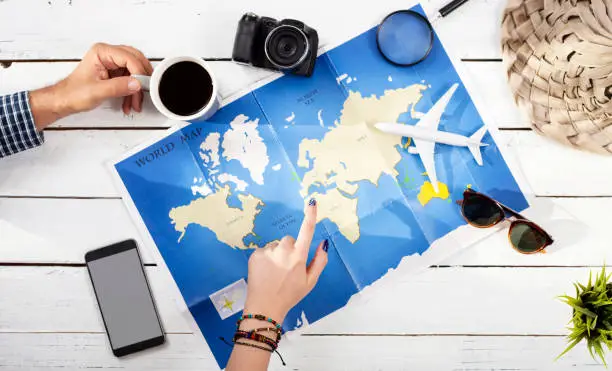
Trip planning makes your journey to and from easy and easy. A plan makes determining where to go, what to do, where to stay, and how to get around easier. It allows you to take care of your budget and prevent usual travel problems as well. You do not have to plan every minute of your holiday. A simple and flexible plan to be followed should be much better than a very busy schedule. To start, think about what you want to get from the trip. You need to go eat, run, go and see family, or do sport.
Set A Travel Budget
A budget will tell you the gap between what to spend and what to not in your complete outing. Consider the big-ticket items (transport, accommodation, food, activities & intra-city travel). You should reserve some funds for your small purchases and needs that may possibly come up. When comparing destinations, do not only consider the ticket price. Somewhere that has cheap enough airfare to get there, but the experience will cost you in the hotels you will have to stay in or use their local transport. A more expensive destination can be less expensive after all costs have been accounted for. Before making any reservation, jot down how much you expect to pay. This will give you an idea of what you can buy and prevent any money troubles while traveling.

Pick The Best Travel Dates
Your choice of travel dates can affect the price of your trip, as well as its overall experience. Before you select what your dates are, look at the climate. During peak travel times, some destinations can be quite crowded. Even these get a higher charge at that time, and staying at hotels and transport may additionally be extra expensive. If your schedule is not fixed, you have the advantage that you can compare various dates and find a time when the costs fit your budget. Consider how many days you actually need for the trip.
| Day | Main Plan | Extra Time |
| Day 1 | Arrival and hotel check-in | Rest |
| Day 2 | Main city sights | Cafe time |
| Day 3 | Local tour | Free evening |
| Day 4 | Nature or beach trip | Rest |
| Day 5 | Shopping and food | Flexible time |
| Day 6 | Final sights | Pack bags |
Research The Destination
Familiarize yourself with the local cash and payment methods. Now it is also important to know the location of the hotel and shop around for food. You don't have to know all the things before you get in. Having bare minimum knowledge of the destination can make you feel prepared and also help you make better decisions throughout the trip.
Plan Your Meals
Check your options if you have kids or special food needs before travelling. You will also be exposed to local cafes and restaurants you may want to try, so do not plan every single meal too strictly. Have a few light snacks available on the longer travel days. You are taught about shapes and sizes and minimize the time by planning meals, which also enables you to enjoy local food without hovering over time.
Important Travel Items:
- Travel documents
- Comfortable clothes
- Walking shoes
- Phone charger
- Basic toiletries
- Water bottle
- Simple snacks
- Personal items
Prepare For Unexpected Changes
As well, ll the best travel plan can change. Somewhere closed down, a flight was delayed, or the weather had other plans. Do not let small changes mess with the complete tour. Have one or two alternative activities(2) in mind for each day. But schedule some time to have free space for when you need to switch up plans. Having important contact details and booking information within reach is useful too. Sensible travel planning is flexible and can help you deal with issues without havoc.
Keep Your Travel Documents Ready
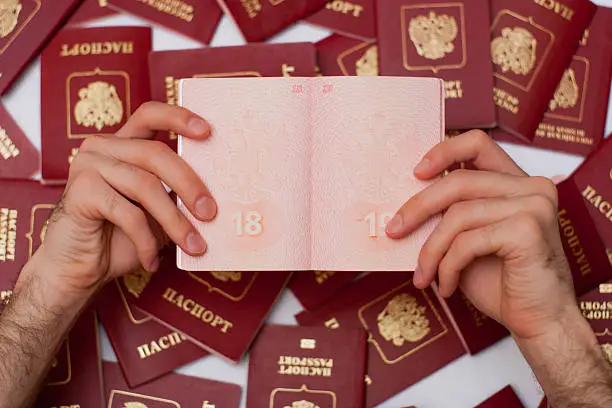
Travel documents must be prepared before leaving home. Do a check of your passport, ID document, booked tickets, hotel, and any other necessary papers for your travel. Digitize important documents and keep them on your phone or somewhere secure. Check the name and travel dates on your bookings. For international travel, refresh the entry rules of your destination by the time of travelling. Organization goes a long way, especially when it pertains to travel documents, airports, hotels, and so on.
Simple Safety Tips:
- Keep documents secure
- Save important numbers
- Watch your bags
- Avoid carrying extra valuables
- Check local rules
- Keep family members informed
- Use trusted transport
Keep Your Trip Flexible
An ideal travel plan does not mean adhering to a tight schedule from sunrise to sunset. After all, some of the best travel experiences can take place when you have the time to explore without a set itinerary. Make your primary reservations for anything essential, then schedule a little bit of your leisure time. You might discover a pretty street or a local market or a cute little cafe that wasn't part of your original plan. Flexibility matters too, for when transportation or weather plays with your plans. When you have a plan (even a super simple one) but with some wiggle room, it means you get both structural integrity and the freedom to enjoy your time together on your trip.
Final Travel Planning Checklist
Review the key pieces of your trip one last time before you leave home. And remember to match your destination to your goals and budget. Always refer to your transport and lodging reservations. Go over your itinerary to ensure it is not too hectic. Verify your documents and payment methods. Only pack based on the weather & planned activities. Proceed to save key locations and reservations to your phone. Moreover, you might also want to spare some additional cash and time to face unforeseen circumstances. These little audits let you kickstart your path with a little more certainty.

Final Check
| Travel Item | Ready |
| Destination | Yes |
| Budget | Yes |
| Transportation | Yes |
| Accommodation | Yes |
| Itinerary | Yes |
| Documents | Yes |
| Packing | Yes |
| Activities | Yes |
| Safety Plan | Yes. |
| Extra Money | Yes |
Conclusion
Choose appropriate dates and book your main transport before moving on to hotels and activities. Create a rough plan that allows plenty of time to see some sights, but also provides for rest. Read up on the destination so you are aware of public transport, food, and key travel regulations. Only take what you need; save your important docs. Planning for delays and unexpected changes is also wise since travel rarely flows precisely as planned. Always remain a bit relaxed with your schedule.
FAQs
How far in the future should I plan a travel trip?
Plan the crucial elements as early as possible. You can book your transportation and accommodation first and plan lesser activities later on.
How many things should I put in a day itinerary?
Plan one or two activities a day on average. Create free time for meals, rest, travel, and surprises.
Does Transportation come before accommodation?
You can check both together, which can be helpful. The dates you have for transportation can dictate where you stay and how long you have where you go.
If you want to see other articles similar to How to Plan the Perfect Travel Trip you can visit the Travel Planning category.