Kyoto Travel Guide: Temples, Tea Houses and Quiet Streets Beyond the Crowds
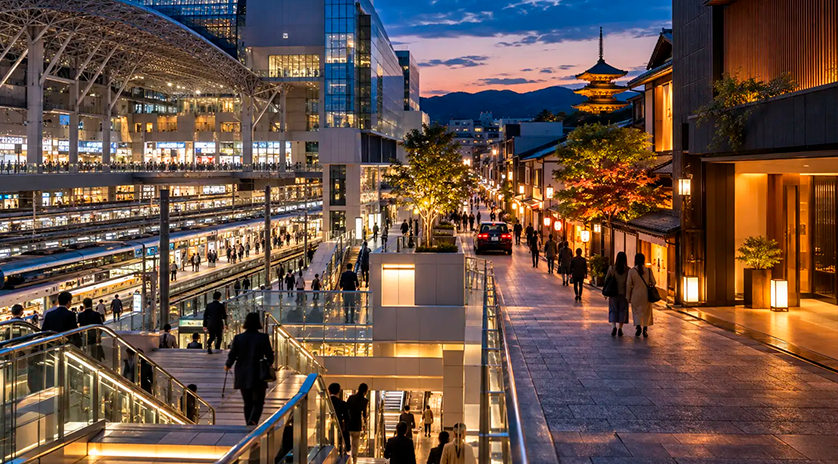
Kyoto was Japan’s capital for more than a thousand years, and it still feels like the country’s memory. Wooden machiya houses line narrow lanes, red gates climb a forested hillside, and a small tea house can sit around the corner from a busy shopping street. It is also one of the most visited cities in Japan, which means the difference between a rushed visit and a memorable one often comes down to planning.
This guide helps you plan that visit. It covers when to go, how to get around, the sights worth your time, ways to avoid the biggest crowds, what to eat, and the rules the city asks visitors to follow. Opening hours, fares and entry rules change, so check official sources before you travel.
Why Kyoto is worth a place on your list
Kyoto offers something hard to find in a big city: a daily rhythm that still revolves around temples, seasons and food. You can see a famous golden pavilion in the morning, walk through a bamboo grove at midday and eat a multi-course meal in the evening. Because the city is surrounded by hills, nature is never far away, and each season changes how it looks.
How long to stay
Three days is a comfortable minimum for a first visit, because the main sights are spread across different parts of the city. Two days is possible if you keep to the highlights. If you have four or five, you can slow down, add a day trip and leave time for places without a list of sights, such as a quiet temple garden.
The best time to visit
Spring and autumn are the most popular seasons. Spring brings cherry blossoms, and autumn is known for colorful leaves. Both are beautiful and both are busy, so accommodation can be expensive and sights crowded. Winter is quieter and can be cold, and summer is hot and humid. Whichever season you choose, book your lodging early and plan the busiest sights for early in the morning.
Getting to Kyoto
If you fly into Kansai International Airport, the Haruka limited express train runs to Kyoto. According to the airport’s official page, the journey takes about 75 minutes, and the train has both reserved and non-reserved cars. Reserved seats are not mandatory, but the page recommends them for longer trips such as Kyoto. If you arrive by high-speed train from Tokyo or Osaka, you will arrive at Kyoto Station, which is the main hub of the city.
Entry requirements depend on your passport. Check the official Japanese government information for your nationality before you book.
Getting around Kyoto
Kyoto is spread out, so you will use a mix of transport.
- Walking is the best way to explore neighborhoods such as Higashiyama and Gion, where the streets are small and the sights are close together.
- Buses reach many temples that the subway does not. The city’s own tourism website says Kyoto faces challenges such as crowded buses and streets, and it suggests leaving your luggage at a hotel or a storage point before sightseeing. Expect crowds at peak times.
- Trains and subway are faster for longer distances, for example to Fushimi Inari or Arashiyama.
- Taxis can save time when your group is small and you are tired.
- Bicycles are a good option in flatter areas, though you should follow the rules about parking.
Our guide on how to choose the best transportation for travel can help you compare options for longer journeys.
The highlights, area by area
The most useful way to plan Kyoto is by area, so you do not spend your day crossing the city.
Higashiyama and Gion (eastern Kyoto). This is the part most people picture when they think of old Kyoto. Walk up the sloping streets toward Kiyomizu-dera, the hillside temple with a large wooden stage and views of the city. The lanes around it, including Ninenzaka and Sannenzaka, are lined with traditional shops. In the evening, Gion is the historic entertainment district, with wooden teahouses and narrow lanes. Please read the etiquette section below before visiting.
Fushimi Inari Shrine (southern Kyoto). This shrine is known for thousands of red torii gates that form tunnels up the forested mountain. The lower part is busy, but the path thins out as you climb. Go early in the morning or late in the day to avoid the largest crowds, and wear comfortable shoes.
Arashiyama (western Kyoto). This district has a famous bamboo grove, a river with a long wooden bridge and several temples and gardens. It is very popular, so arrive early. The city asks visitors not to carve or damage the bamboo, which is a criminal offense with fines.
Northern Kyoto. Here you will find Kinkaku-ji, the Golden Pavilion, which sits beside a reflecting pond. It draws crowds, but the visit is short, and you can pair it with a quieter temple nearby.
Central Kyoto. Nishiki Market is a narrow covered street of food stalls and small shops, good for a snack lunch. Nijo Castle is a large former residence of the shogun, and its wooden floors are known for making a sound when walked on. The river area between Gion and the center is a pleasant place to walk in the evening.
Quieter ways to enjoy Kyoto
Kyoto’s best experiences are often away from the headline sights.
- Go early. Many of the main temples are much calmer in the first hour after they open.
- Choose smaller temples. Kyoto has hundreds of temples and shrines. A less famous one with a garden and few visitors can be more memorable than a crowded landmark.
- Walk the back streets. Parallel lanes to the main streets often have quiet shops, small cafes and houses.
- Take a tea experience. Matcha and the traditional tea ceremony are central to Kyoto’s culture. Book with a reputable teahouse, and check what is included.
- Visit in the evening. Many temples are lit up at certain times of year, and the streets feel different at dusk.
- Leave the center. A short train ride can take you to quiet temples on the edge of the city.
Etiquette: how to be a good guest
Kyoto’s residents live and work in the neighborhoods that visitors come to see, and the city asks for care. The official Kyoto tourism website gives clear guidance.
- Respect geiko and maiko in Gion. The Southern Gionmachi message asks visitors not to stop, touch, follow or take unauthorized photos of geiko, the Kyoto term for geisha. It says they are not mascot characters.
- Do not enter private property. The same message asks visitors not to enter nearby temples, shrines or private property, other than stores and roads, without permission. It notes that trespassing is punishable by law.
- Do not block the street. The city asks visitors not to block roads or walk side by side in large groups.
- Take your trash with you. Dispose of it in bins and smoke only in designated areas.
- Photograph only where it is allowed. Photography is only permitted in designated areas, and you should respect property laws.
- Do not damage property. Carving into bamboo in Arashiyama or at Fushimi Inari is a criminal offense, and breaking the rules can result in fines.
Check the Kyoto official tourism website for the current guidelines before you go.
What to eat
Kyoto’s food culture is refined and seasonal. Look for:
- Kaiseki, a traditional multi-course meal that is often expensive, so book ahead.
- Tofu dishes, since the city is known for them, including yudofu, tofu simmered in a pot.
- Matcha sweets, from ice cream to parfaits.
- Market snacks on Nishiki Market, such as pickles, skewers and small sweets.
- Noodles, including soba and udon, for simple, inexpensive meals.
If you have allergies, learn the key words in Japanese or carry a card that explains them, since ingredients are not always obvious. For more on staying healthy while eating abroad, see our guide on what food to avoid while traveling.
Where to stay
Staying near Kyoto Station gives you the best transport links for day trips and for getting to the airport. Staying in or near Gion and Higashiyama puts you within walking distance of many sights, and the evening atmosphere is better, but prices are higher. Traditional inns, called ryokan, offer tatami rooms and often meals, and they are worth considering for at least one night.
A sample three-day plan
- Day 1: Higashiyama and Gion. Kiyomizu-dera in the morning, the lanes of Sannenzaka and Ninenzaka at midday, a walk through Gion in the early evening, and dinner nearby.
- Day 2: Fushimi Inari and central Kyoto. Fushimi Inari first thing in the morning, Nishiki Market for lunch, and Nijo Castle or a tea experience in the afternoon.
- Day 3: Arashiyama and northern Kyoto. Arashiyama early, a temple garden for the rest of the morning, and Kinkaku-ji in the afternoon.
Leave time between stops, since distances and bus queues are longer than they look. For tips on balancing structure and free time, see our guide on how to create a smooth travel itinerary.
Practical tips
- Carry some cash. Many places accept cards, but small shops and some temples may take only cash.
- Wear shoes that are easy to remove, because you will take them off at some temples and in many restaurants.
- Bring a small bag. Space is limited on buses and in narrow shops. Our guide on how to pack light for easier travel can help.
- Check your government’s travel advice before you go. If you are a U.S. citizen, the Department of State’s STEP program sends alerts from the local embassy.
- Keep a money reserve for the unexpected, as explained in our guide on why every traveler should have extra money.
Final thoughts
Kyoto rewards travelers who go slowly. Pick one area a day, go early, leave some space for the unplanned and follow the rules that protect the places you came to see. The result is a trip that feels less like ticking off sights and more like spending time in a living city.
If Japan is on your wish list, take a look at our list of the 10 best countries to add to your travel bucket list.
Frequently asked questions
How many days do I need in Kyoto?
Three days is a comfortable minimum for a first visit. Two days is possible if you stay with the highlights, and four or five days lets you slow down and take a day trip.
What is the best time to visit Kyoto?
Spring and autumn are the most popular for cherry blossoms and colorful leaves, but they are also the most crowded. Winter is quieter and summer is hot and humid.
How do I get from Kansai Airport to Kyoto?
The Haruka limited express runs to Kyoto and takes about 75 minutes, according to the airport’s official page. It has reserved and non-reserved cars.
Can I take photos of geiko and maiko in Gion?
Not without permission. The official Gion message asks visitors not to take unauthorized photos or videos of geiko and maiko, or to stop, touch or follow them.
Is Kyoto walkable?
Individual neighborhoods are, but the city is spread out. Combine walking with buses, trains and the subway.
How can I avoid the crowds in Kyoto?
Go early, choose smaller temples, visit outside peak seasons and walk the back streets.
What should I wear to temples?
Wear modest, comfortable clothing and shoes that are easy to take off. Follow any signs at each site.
Keep reading
- Rome in 3 days: a practical itinerary for first-time visitors
- Lisbon in 3 days: a practical itinerary for first-time visitors
- How to create a smooth travel itinerary
- 10 best countries to add to your travel bucket list
Sources
- Kyoto City Official Travel Guide, Gion manners: a message from Southern Gionmachi
- Kyoto City Official Travel Guide, Sightseeing guidelines
- Kansai Airports, Transfer from Kansai Airport to Osaka, Kyoto or Nara via Haruka
- U.S. Department of State, Smart Traveler Enrollment Program (STEP)
Last reviewed: November 24, 2026. Written by the Zawalela Editorial Team.