
Lisbon in 3 Days: A Practical Itinerary for First-Time Visitors
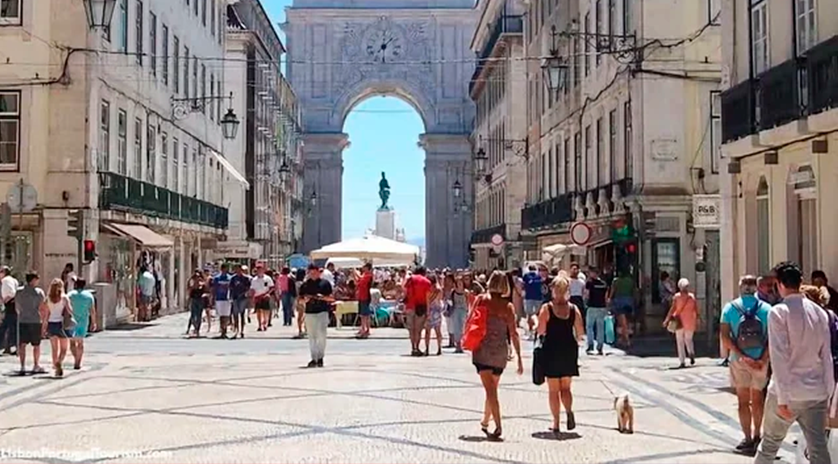
Lisbon is a city of hills, tiled facades, viewpoints and small streets that seem to turn a corner every few steps. It is compact, relatively easy to enjoy on a short trip, and its mix of old neighborhoods, river views and food makes it one of the more rewarding capitals to visit in Europe.
The hills are the main thing to plan around. Distances look small on a map, but climbing cobbled streets takes time and energy. This guide gives you a three-day plan grouped by area, with the practical details that matter: how to pay for transport, which sights need advance booking and how to avoid common problems. Prices and opening hours change, so confirm them on the official pages before you travel.
How to use this itinerary
- Day 1: The old center, with Baixa, Alfama and the castle.
- Day 2: Belém, with the monastery, the riverfront and a classic pastry stop, then Chiado and Bairro Alto in the evening.
- Day 3: A day trip to Sintra, or a relaxed day in the city if you prefer not to travel.
If a day feels too full, drop a stop. Our guide on how to create a smooth travel itinerary explains how to balance structure and free time.
Before you go: the basics
Best time to visit. Spring and autumn are comfortable for walking. Summer can be hot, especially on exposed hills, so plan sightseeing for the morning and early evening. Winter is milder than in much of Europe but can be rainy.
Entry requirements. These depend on your passport, so check the official government information for your nationality before booking. Europe is also introducing an electronic travel authorization system called ETIAS for visa-exempt travelers. The European External Action Service had scheduled it for the last quarter of 2026, but start dates have shifted, so check the current status on the official EU site.
From the airport. Lisbon’s airport is close to the city and has its own metro station. A taxi or ride-hailing service is another option, especially if you arrive late or carry heavy luggage. Check the operator’s page for current routes and times.
Where to stay. Baixa and Chiado are central and flat enough to be convenient, with good transport links. Alfama is atmospheric but steep, and some streets are not easy with luggage. Bairro Alto is lively at night, so choose carefully if you are a light sleeper. Check how steep the final approach to your accommodation is.
What to wear and pack. Comfortable shoes with good grip are essential. The traditional stone pavements can be slippery, especially when wet. Our guide on how to pack light for easier travel can help you keep your bag manageable for the hills.
Getting around Lisbon
Lisbon has a metro, buses, trams, funiculars, trains and ferries. For a short stay, the simplest approach is to buy a rechargeable card instead of paying for each ride on board.
- Rechargeable card. The Metro de Lisboa and Carris both use the Navegante system. A card can be loaded with credit (“zapping”) or with tickets, and you tap it on each journey.
- Paying on board costs more. When we checked, Carris listed a single tram ride at 3.20 euros and a single bus ride at 2.20 euros, compared with 1.66 euros per journey when paying with zapping credit. Carris also notes that on its newer trams you cannot pay in cash.
- 24-hour ticket. Both Carris and the Metro sell a 24-hour ticket for unlimited rides on their networks, listed at around 7 euros when we checked. It is worth it only on days when you take many rides.
- Walking. Much of the center is best explored on foot, but be ready for steep climbs.
Fares change every year, so confirm current prices on the Carris and Metro de Lisboa pages. Our guide on how to choose the best transportation for travel helps you compare options for longer journeys.
Day 1: Baixa, Alfama and the castle
Morning: Praça do Comércio and Baixa. Start at the large riverside square, then walk through the grid of streets known as Baixa. Pass under the triumphal arch on Rua Augusta and stop for a coffee in one of the old cafés.
Late morning: the cathedral and the lanes of Alfama. Walk uphill to the Sé (the cathedral) and into Alfama, the oldest part of the city. Allow time to get lost, since the streets are narrow and winding, and there are small viewpoints around almost every turn.
Afternoon: São Jorge Castle. The castle sits on top of one of the hills, and its walls give wide views over the roofs and the river. Check the official site for opening hours and tickets before you go.
Evening: a viewpoint and dinner. Lisbon is known for its miradouros (viewpoints). Pick one near your hotel to watch the sunset, such as Miradouro das Portas do Sol in Alfama. Then have dinner in the area. Fado, the traditional music of Lisbon, is performed in several small venues, and it is best to check the details and prices in advance.
Day 2: Belém and Chiado
Belém is a riverside district a short ride west of the center. It is easiest to reach by tram or train, and it deserves a half day.
Morning: Jerónimos Monastery. This large monastery is one of the best-known monuments in Portugal. According to Visit Lisboa, it is open from 9:30 to 17:30 with the last entry at 17:00, and it is closed on Mondays and on a few holidays, among them 1 January, Easter Sunday, 1 May, 13 June and 25 December. The page also says visitors need to book a date and time online. Check the official page for current hours and prices, since they change.
Late morning: the riverfront. Walk along the river past the Monument to the Discoveries and on to the Belém Tower, a small fortress on the water. Check whether tickets or time slots are needed, and expect lines at busy hours.
Midday: pastries. Belém is famous for pastéis de nata, the custard tarts of Portugal. Try one warm with a coffee. Popular shops can have lines, so be patient or try a smaller bakery nearby.
Afternoon: the creative side of the city. Return toward the center and visit the LX Factory, a former industrial complex now filled with shops, cafes and studios, or the MAAT museum on the riverfront for modern art and architecture.
Evening: Chiado and Bairro Alto. Walk through Chiado, with its historic bookstores and theaters, and continue to Bairro Alto for dinner and drinks. The Miradouro de São Pedro de Alcântara offers a good view over the city.
Day 3: Sintra, or a slower day in the city
Option A: a day in Sintra. Sintra is a hill town northwest of Lisbon, known for its palaces and forested hills. It can be reached by train from the center in under an hour, and many visitors take a day trip. The most popular sites, such as the Pena Palace, often use time slots and get very busy, so book tickets in advance on the official sites and start early. Wear shoes for steep paths. Sintra is often cooler and damper than the city, so bring a light layer.
Option B: a slower day in Lisbon. If you prefer to stay, visit the Gulbenkian Museum and its garden, walk through the Príncipe Real neighborhood and spend time at a neighborhood market. If it is a pleasant evening, end with a riverside stroll in Parque das Nações.
Eating in Lisbon
Portuguese food is simple and strong on seafood. A few things to look for:
- Grilled fish and seafood, often served with potatoes and salad.
- Bacalhau, salted cod, cooked in many different ways.
- Pastéis de nata, the custard tarts mentioned above.
- Petiscos, small plates meant to be shared, like Portuguese tapas.
- Ginjinha, a cherry liqueur sold in small bars.
To eat better and pay less, walk away from the most crowded squares, ask whether bread and appetizers placed on the table are charged, and look for places where locals eat. For more on food while traveling, see our guide on what food to avoid while traveling.
Staying safe and avoiding problems
Lisbon is generally considered a welcoming city, but, like any popular destination, it attracts pickpockets. Be careful on crowded trams and metro cars and at viewpoints, and keep valuables in a zipped bag. Watch your footing on polished stone pavements, especially when they are wet, and carry water on hot days. Check your government’s current travel advice before you go. If you are a U.S. citizen, the Department of State’s STEP program sends alerts from the local embassy. Keep a small reserve of money for the unexpected, as explained in our guide on why every traveler should have extra money.
Adjusting the plan
- If you only have two days: Combine Alfama with Belém and skip Sintra.
- If you have an extra day: Take a day trip to the coast, or spend more time in the neighborhoods.
- If you travel with children: Take it slowly, use the tram or metro for the hills, and add the Oceanarium in Parque das Nações. Our family travel tips have more ideas.
Final thoughts
Lisbon rewards people who accept the hills, wear good shoes and leave time to stop at a viewpoint or a pastry shop. Book the most popular sights in advance, use a rechargeable transport card and group your days by area. You will see more by doing a little less each day.
If Portugal is on your wish list, take a look at our list of the 10 best countries to add to your travel bucket list.
Frequently asked questions
Is three days enough for Lisbon?
Yes. Three days lets you see the old center, Belém and either Sintra or a slower day in the city.
Do I need to book tickets in advance?
For the most popular sights, such as Jerónimos Monastery and the palaces in Sintra, it is a good idea. Visit Lisboa says visitors to the monastery need to book a date and time online.
Is Lisbon walkable?
The center is, but it is hilly. Use the metro, trams or buses for longer distances and steep climbs.
What is the best way to pay for public transport?
A rechargeable Navegante card is usually cheaper than buying single tickets on board. Carris and the Metro also sell 24-hour tickets for heavy sightseeing days.
Is Lisbon safe for tourists?
Most visits are trouble-free, but pickpocketing happens in crowded places. Keep valuables secure and be careful on trams and public transport.
Can I visit Sintra as a day trip?
Yes. Trains run from the center and the trip takes under an hour. Start early and book popular sites in advance.
When is the best time to visit Lisbon?
Spring and autumn are comfortable for walking. Summer is hot and busy, and winter can be rainy.
Keep reading
- Rome in 3 days: a practical itinerary for first-time visitors
- How to create a smooth travel itinerary
- How to choose the best transportation for travel
- 10 best countries to add to your travel bucket list
Sources
- Carris, Occasional journeys
- Metro de Lisboa, Tickets and cards
- Visit Lisboa, Mosteiro dos Jerónimos (opening hours and booking information; page in German)
- European External Action Service, Travelling to Europe (ETIAS) (page last updated July 2025)
- U.S. Department of State, Smart Traveler Enrollment Program (STEP)
Last reviewed: November 24, 2026. Written by the Zawalela Editorial Team.