Rome in 3 Days: A Practical Itinerary for First-Time Visitors
Rome is a city where almost every street corner has something old on it. Ruins sit next to apartment blocks, fountains fill small squares, and a coffee bar can be a few steps from a two-thousand-year-old monument. That is what makes it wonderful, and it is also what makes it easy to overplan.
Three days is enough to see the main sights without rushing, if you group them by area. This guide gives you a day-by-day plan, the booking details that matter, and practical advice for getting around, eating well and avoiding common problems. Times and prices change, so use the official links to confirm details before you travel.
How to use this itinerary
The plan is built around location, so you do not cross the city more than you need to.
- Day 1: Ancient Rome, with the Colosseum, the Roman Forum and Palatine Hill.
- Day 2: The Vatican, with the museums, the Sistine Chapel and St. Peter’s Basilica.
- Day 3: The historic center, with the Pantheon, Piazza Navona, the Trevi Fountain and the Spanish Steps, plus an evening in Trastevere.
Treat it as a framework, not a schedule to follow minute by minute. If a day feels full, drop one stop. For tips on balancing structure and free time, see our guide on how to create a smooth travel itinerary.
Before you go: the basics
Best time to visit. Spring and autumn are popular because walking is more comfortable than in the heat of high summer. Summer can be very hot, and the busiest tourist months bring the longest lines. If you visit in summer, plan outdoor sightseeing for the morning and early evening.
Entry requirements. These depend on your passport, so check the official government information for your nationality before booking. Europe is also introducing an electronic travel authorization system called ETIAS for visa-exempt travelers. The European External Action Service had scheduled it for the last quarter of 2026, but start dates have shifted, so check the current status on the official EU site.
How to get from the airport. If you land at Fiumicino, the Leonardo Express train runs non-stop to Roma Termini, the main station. Trenitalia says the trip takes about 32 minutes, with departures every 15 minutes, and lists the ticket at 14 euros. Check the current price and schedule when you travel.
Where to stay. Staying near Termini station gives you easy access to metro and train connections. Staying in the historic center (around the Pantheon and Piazza Navona) lets you walk to many sights, but rooms are often smaller and more expensive. Trastevere is a lively neighborhood across the river. Choose based on whether you value convenience, atmosphere or price.
What to pack. Comfortable, broken-in shoes matter more than anything else, because you will walk on cobblestones for hours. Bring a refillable water bottle and a light layer for churches. Our guide on how to pack light for easier travel can help.
Day 1: Ancient Rome
Start with the part of Rome that most people come to see, and start early, before the heat and the crowds.
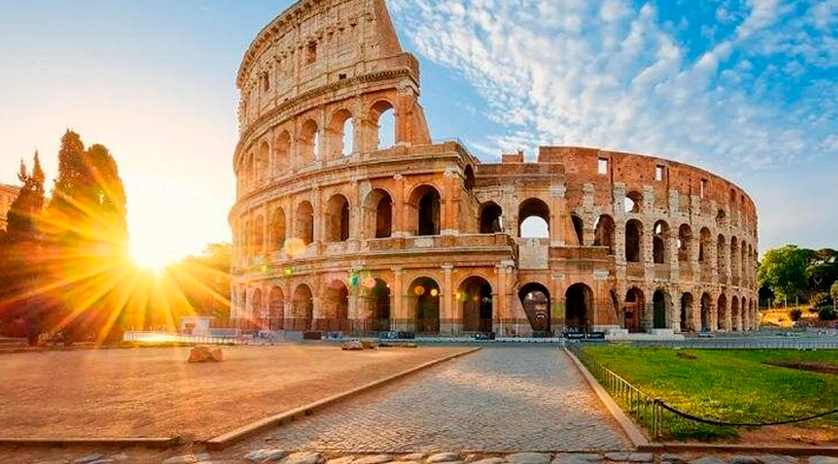
Morning: the Colosseum. The Colosseum is the symbol of ancient Rome. Tickets are sold online through the official site, and the Colosseum visit uses a scheduled entry time. The official page recommends arriving ten minutes before your slot, and it says the time cannot be changed, so choose carefully. The standard 24-hour ticket does not include access to the arena floor.
Late morning: the Roman Forum and Palatine Hill. The same 24-hour ticket includes one entry to the Roman Forum, Palatine Hill and the Imperial Fora, and the official page says it is valid for 24 hours from the first entry. The Forum and Palatine do not need a time slot, so you can visit them before or after the Colosseum within that window. Allow at least two hours for the Forum and Palatine together, and bring water and sun protection, since there is little shade.
Afternoon: Capitoline Hill and Piazza Venezia. Walk up to Capitoline Hill, where you will find the Capitoline Museums and a view over the Forum. Then pass the large white monument at Piazza Venezia.
Evening: dinner in the Monti neighborhood. Monti is a relaxed area close to the Colosseum with small restaurants and wine bars, a good place to end the day on foot.
Day 2: The Vatican
The Vatican is a separate state inside Rome, and it needs most of a day. Plan to be there in the morning.
Morning: Vatican Museums and the Sistine Chapel. The museums are a very large collection, and the Sistine Chapel is at the end of the standard route. According to the official site, the museums are open Monday to Saturday from 8:00 a.m. to 8:00 p.m., with the last entry at 6:00 p.m. They are closed on Sundays, except for the last Sunday of each month, when entry is free and the hours are shorter. They are also closed on a list of religious and national holidays, so check the official calendar before you plan your day. Buying tickets online in advance is the easiest way to avoid a long wait.
Silence is expected in the Sistine Chapel, and photography is not allowed there. Dress rules apply to the Vatican, with shoulders and knees covered, so check the official page for the current dress code.
Midday: St. Peter’s Basilica and Square. The basilica is next to the museums. The entrance is free of charge, but there is a security check, and lines can be long. The dress rules are similar to those in the museums.
Afternoon: Castel Sant’Angelo. Walk along the road from the Vatican to this round fortress by the river. It was built as a mausoleum and later served as a castle and a papal refuge. From the terrace you can see the whole city.
Evening: Piazza Navona. Cross the river and walk to this long square, which is a good place for dinner or an evening stroll.
Day 3: The historic center
The third day is the most relaxed. The sights are close together, so you can walk between them.
Morning: the Pantheon. The Pantheon is one of the best-preserved ancient buildings in Rome, and its large dome with an open oculus is unforgettable. Check whether a ticket or a reservation is required before you go, since entry rules can change.
Late morning: Piazza Navona and nearby streets. Wander through the narrow streets around the square, stop for a coffee and look into small shops and churches.
Afternoon: the Trevi Fountain and the Spanish Steps. Both are famous and busy. Visit the Trevi Fountain early or late if you can, and check current access rules, since crowd management can change. From there, walk to the Spanish Steps and continue to the Pincio terrace in the Villa Borghese gardens for a view over the city at sunset.
Evening: Trastevere. Cross the river and spend your last evening in this neighborhood of small streets, restaurants and bars.
Getting around Rome
Most of the center is walkable, and walking is often the best way to see it. For longer distances, the metro has lines A, B and C and covers parts of the city, including Termini and the Vatican area. Buses and trams fill in the gaps but can be slow in traffic. Taxis are available at official stands. Avoid unlicensed drivers who approach you at stations. If you plan to take a train to another city, our guide on how to choose the best transportation for travel can help you compare your options.
Eating in Rome
Rome has its own classic dishes, such as carbonara, cacio e pepe, amatriciana and supplì (fried rice balls). Pizza comes in several styles, and gelato is everywhere. A few habits will help you eat better:
- Walk a few streets away from the main squares, where prices are usually lower and menus are less aimed at tourists.
- Check the menu for a service or cover charge before you sit down.
- Try a coffee standing at the bar, as many locals do.
- Book a table for dinner in popular areas, especially on weekends.
Staying safe and avoiding problems
Rome is a popular destination, and crowded places attract pickpockets. Keep your phone and wallet in front pockets or a zipped bag, be extra careful on public transport and at major attractions, and keep copies of your documents. Check your government’s current travel advice before you go. If you are a U.S. citizen, the Department of State’s STEP program sends alerts from the local embassy. Leave some money as a reserve for the unexpected, as explained in our guide on why every traveler should have extra money.
Adjusting the plan
- If you only have two days: Combine the Colosseum and the Forum on the first day and do the Vatican and the center on the second.
- If you have an extra day: Add a half-day trip to Ostia Antica, an ancient port town reachable by train, or spend more time in the Capitoline Museums.
- If you travel with children: Shorten each day to two main stops and add time in a park such as Villa Borghese. Our family travel tips have more ideas.
Final thoughts
Rome rewards people who plan the big sights in advance and leave space for everything else. Book the Colosseum and Vatican tickets early, group your days by area, wear comfortable shoes and keep one afternoon free for wandering. You will see more by doing less each day than by trying to tick everything off.
If Italy is only one stop on your wish list, take a look at our list of the 10 best countries to add to your travel bucket list.
Frequently asked questions
Is three days enough for Rome?
Yes, for the main sights. Three days lets you see ancient Rome, the Vatican and the historic center at a comfortable pace. If you want to explore more museums or take a day trip, add a day.
Do I need to book tickets in advance?
For the Colosseum and the Vatican Museums, yes. The Colosseum visit uses a scheduled entry time and tickets are sold online, and booking the Vatican Museums online helps you avoid long waits.
How long is the Colosseum ticket valid?
The official 24-hour ticket is valid for 24 hours from the first entry. It includes one scheduled entry to the Colosseum and one entry to the Roman Forum, Palatine Hill and Imperial Fora.
Are the Vatican Museums open on Sundays?
Generally no. They are closed on Sundays except the last Sunday of each month, when entry is free and the hours are shorter. Check the official calendar for holiday closures.
How do I get from Fiumicino airport to the center?
The Leonardo Express train runs non-stop to Roma Termini and takes about 32 minutes. Other options include regional trains, buses and taxis.
Is Rome walkable?
Much of the center is. Many sights are close together, but distances add up, so wear comfortable shoes and use the metro for longer trips.
Is Rome safe for tourists?
Most visits are trouble-free, but pickpocketing is common in crowded places. Keep valuables secure and be alert on public transport.
Keep reading
- How to create a smooth travel itinerary
- How to pack light for easier travel
- How to choose the best transportation for travel
- 10 best countries to add to your travel bucket list
Sources
- Parco archeologico del Colosseo, 24h Colosseum, Roman Forum and Palatine ticket
- Vatican Museums, Opening days and times
- Trenitalia, Leonardo Express
- European External Action Service, Travelling to Europe (ETIAS) (page last updated July 2025)
- U.S. Department of State, Smart Traveler Enrollment Program (STEP)
Last reviewed: November 24, 2026. Written by the Zawalela Editorial Team.